A record that grows with the work.
Organize assets, location context, maintenance history and related parts with the people maintaining them.
 GroundBoot
Asset management / Knowledge throughout its working life
Build a dependable picture of your equipment, its condition and its working history. Use that knowledge to maintain it, decide what needs attention and prepare for future investment.
GroundBoot records, existing asset information and tailored engineering around your operation.
01 / The asset, understood
An equipment list is a starting point. Its value grows when the location, service history and findings connect to the decisions people need to make.
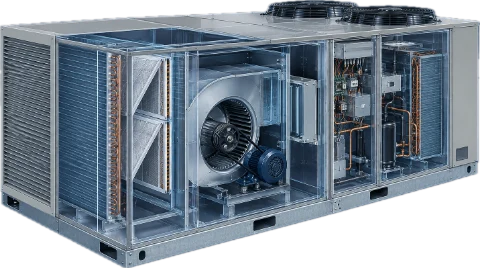
One asset.
A continuous record.
Identity, location and the systems it belongs to.
Work, condition and experience gathered over time.
The evidence behind the next maintenance or investment decision.
Know the asset
Give people a consistent way to identify the equipment, find it and understand where it belongs. Bring scattered lists and reference material into a useful structure.
GroundBoot provides asset and location context. An engagement can include organizing existing information and connecting agreed source systems.
Understand its history
Bring inspections, repairs, findings and recorded costs back to the same asset. Give the next technician or manager the evidence behind its current condition.
GroundBoot connects work to asset history. Tailored scope can bring in condition information or service records held in other systems.
Prepare the next decision
Use the available history, condition findings and operating needs to compare the next maintenance, repair or replacement options.
Replacement analysis is tailored work using reviewed evidence and cost assumptions. Its method and outputs are agreed with your team.
02 / Across its working life
The knowledge should keep its value as technicians change, equipment ages and the next investment comes into view.
Bring previous findings and service history into the next visit, so the team can start with a fuller picture.
Look at repeated work, recorded costs and condition observations together when reviewing the next step.
Bring asset evidence, operating priorities and reviewed cost assumptions into the capital-planning conversation.
03 / The right foundation
Use GroundBoot to keep asset knowledge close to the work. Connect existing information and add tailored analysis when the operation needs more.
Organize assets, location context, maintenance history and related parts with the people maintaining them.
Shape an asset structure around the operation. Define how registers, documents and agreed external sources contribute to it.
Scope condition reviews, service-pattern analysis or replacement planning around the evidence available and the question your team needs to answer.
GroundBoot capabilities follow plan coverage. Data preparation, integrations and asset analysis are tailored Enterprise work with agreed inputs, outputs and ownership.
04 / From information to use
Start with the assets and decisions that matter. Establish a reliable base, then build the connections and working practices around it.
Review the assets, existing records and gaps in the information people need.
A clear starting pictureDefine the structure, relevant sources and any data preparation or integration work.
Information with a purposeValidate the records and any agreed analysis against representative asset questions.
Outputs the team can useEstablish responsibility for new findings, record quality and ongoing support where included.
Knowledge that carries forwardStart with your assets
Tell us about the equipment, the information you have and the decisions you want to make with it.